DR is now DRR
The DR family got a boost in its genetics, so now the series will be known as DDR, its scales quality should be much improved as well as its teeth sharpening. FightingBettas is always in contact with our breeders in…


The History of the Legendary Fire Bagan Api Plakat Betta Introduction Among the many bloodlines that have shaped the world of fighting bettas, few names command as much respect as Fire Bagan Api. Revered by enthusiasts throughout Indonesia, Malaysia, Thailand, and beyond, the Fire Bagan Api Plakat has

How to Import Bettas into Hawaii Hawaii’s unique ecosystem is protected by some of the strictest agricultural regulations in the United States. As a result, Betta fish cannot simply be shipped into Hawaii like they can to most mainland states. Before Fighting Bettas can ship your fish, Hawaii requires
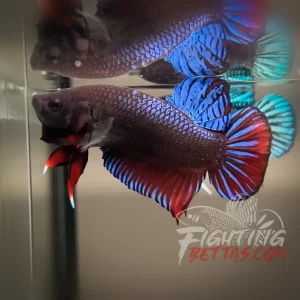
Introducing one of our premier Plakat Betta lines—the Spartan Series. Bred for instinct, awareness, and precision, these Bettas are known for their tactical behavior and commanding presence. They don’t just react—they observe, calculate, and respond with unmistakable confidence. Carefully developed through close collaboration with top breeders in Thailand, the Spartan
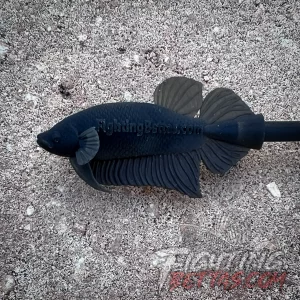
If you’re looking for a way to provide mental stimulation, exercise, and bonding opportunities for your betta fish, a betta training stick might be just the tool you need. Made of a stick with a small betta figurine attached, a training stick can be used to guide and train your

We are introducing a new bloodline known as the Phantom series. This exclusive family of plakat Bettas features a striking black and grey coloration that is accompanied by extreme aggression and agility. Developed in Thailand after extensive research with an experienced breeder, the Phantom series is a highly potent fighting

Fightingbettas understands the importance of providing a balanced and nutritious diet for your plakats. Live foods are the preferred choice for plakats as they provide essential nutrients required for their overall health and vitality. Insects, worms, crustaceans, and small aquatic organisms are some of the most common types of live

Plakat, also known as Plakad or short-finned Betta, is a variety of Siamese fighting fish that has been a popular choice among enthusiasts of the fighting fish world for many years. These fish are known for their aggressive behavior and their ability to endure brutal fights in small containers, often

Betta Splendens are known for their intense aggression, which has resulted from intense selective pressures imposed upon them from many generations of artificial selection. Fighting strains of B. splendens (Plakat) have been bred for aggression for over six centuries due to the culture surrounding fighting betta fish and betting money

Indian almond leaves (IAL) are often used in betta tanks because they are thought to provide many benefits to the fish. IALs are known to lower pH levels, reduce nitrates, and promote healthy scales. They also release tannins into the water, which can create a “blackwater” effect that is said

The hades series is an exclusive family of FightingBettas.com, over the course of years working with our breader in Thailand we accomplished a strong, smart and efficient Plakat which we would name Hades.
Hades are characterized by their Strong body, armor like scales which command respect.

The DR family got a boost in its genetics, so now the series will be known as DDR, its scales quality should be much improved as well as its teeth sharpening. FightingBettas is always in contact with our breeders in order to improve its series.

We are happy to announce two new series from two new breeders is coming February 24th, these new Indonesian Super Warrior Class have been carefully selected by us for its strong mental and physical qualities. Limited quantity on the first batch.
The DR family got a boost in its genetics, so now the series will be known as DDR, its scales quality should be much improved as well as its teeth sharpening. FightingBettas is always in contact with our breeders in…
We are happy to announce two new series from two new breeders is coming February 24th, these new Indonesian Super Warrior Class have been carefully selected by us for its strong mental and physical qualities. Limited quantity on the first…
FightingBettas’ Instagram feed is a must-follow for anyone interested in these unique and stunning fish. Featuring breathtaking photos and videos of bettas, as well as tips and inspiration for betta fish owners, this feed is a valuable resource for anyone…